In Southwest Florida, storm season and heavy rain are simply part of life. From afternoon downpours to tropical storms and the occasional hurricane threat, homeowners depend on their roofs not just for protection but also for comfort, including controlling noise levels inside the home. At Bedrock Roofing, we provide roofing systems built for this region’s intense weather, offering asphalt shingles, metal roofing (copper, aluminum, and steel in corrugated, standing seam, and exposed fastener styles), clay and concrete tile roofing, residential flat roofing, and complete roof repair and replacement services.
Because Southwest Florida experiences long rainy seasons, high humidity, and fast-moving windstorms, many homeowners ask: Does roofing material affect how loud your home is during rain or storms? The answer is yes, and understanding the differences can help you choose a roof that fits both your durability needs and your comfort preferences.
Southwest Florida’s Climate: Why Noise Matters
Our region has two dominant weather periods that influence roof performance:
1. Rainy Season (May–October)
This time of year brings daily showers, tropical moisture, and sustained rainfall. Homes experience long periods of steady rain, and depending on your roofing type, that can mean anything from a soft patter to a much louder impact noise.
2. Storm and Hurricane Season
With tropical depressions, high winds, and heavy downpours, storm noise becomes a major concern for homeowners. Some roofing materials naturally absorb sound better than others, and some can amplify noise during wind-driven rain.
Because of how frequently Southwest Florida experiences these conditions, the type of roof you choose directly affects indoor noise levels. Here’s how each roofing material performs when the skies open up.
Asphalt Shingles: Quiet and Sound-Absorbing
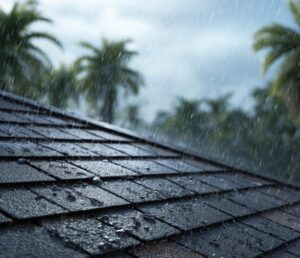
Asphalt shingles, especially architectural shingles, are among the quietest roofing materials during rain and storms. They absorb sound naturally due to:
- Their layered construction
- The granulated surface
- The underlayment and decking beneath
This system acts almost like insulation, dampening the sound of rain rather than amplifying it. For homeowners sensitive to noise, asphalt shingles tend to offer the most comfortable experience during Southwest Florida’s frequent downpours.
Noise Level: Low
Best For: Bedrooms, nurseries, and homeowners who prioritize a quiet interior.
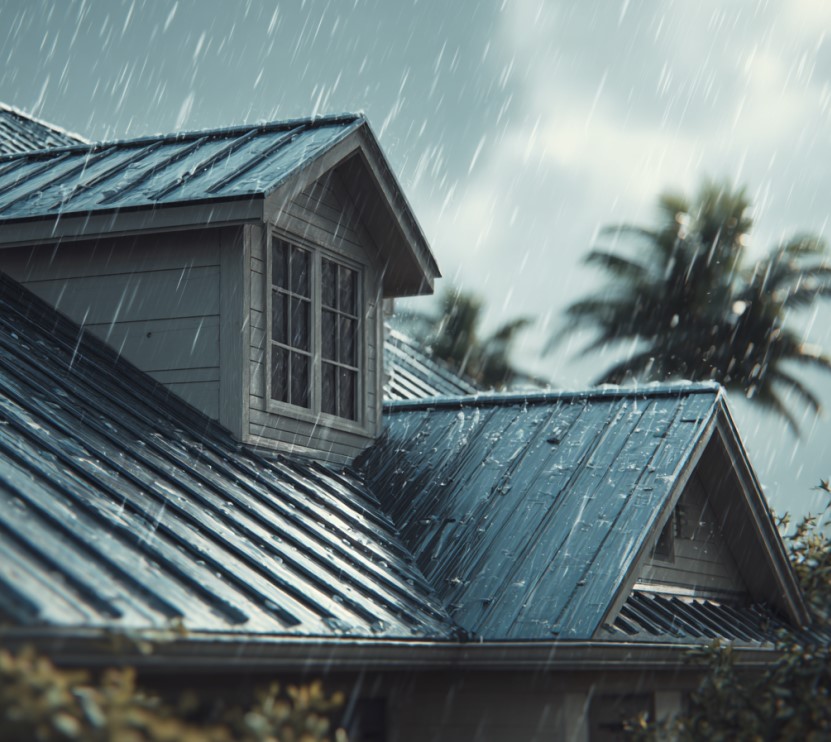
Metal Roofing: Can Be Louder, But Not Always
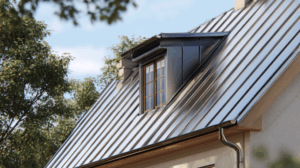
Metal roofing is extremely popular in Southwest Florida because of its wind resistance, longevity, and excellent performance in salty, coastal climates. But many homeowners associate metal roofs with loud rain noise, usually because they’re thinking of old barn-style metal installed without insulation.
Modern metal roofing systems are very different.
At Bedrock Roofing, our metal roofs, whether copper, aluminum, or steel, and whether corrugated, standing seam, or exposed fastener, are installed over proper decking and underlayment. This significantly reduces noise.
Still, metal roofs tend to be:
- Louder than asphalt shingles
- Quieter than most people expect
- Highly dependent on attic insulation, roof decking, and attic ventilation
With proper installation (especially over solid sheathing), metal roofing can be only slightly louder than shingles. It’s typically not the “echoing tin roof” many imagine.
Noise Level: Medium
Best For: Homeowners prioritizing durability, wind resistance, and longevity who don’t mind a subtle increase in storm noise.
Tile Roofing (Clay or Concrete): Naturally Quiet and Heavy
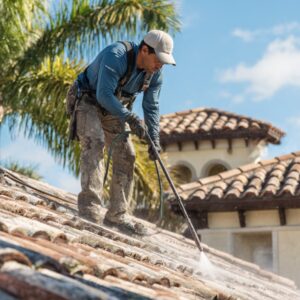
Clay and concrete tiles are among the quietest roofing materials available. Their weight, density, and thick profile naturally muffle sound. Rain tends to register as a soft thud or gentle tapping rather than a sharp impact.
Tile roofs also sit higher off the roof deck, leaving an air gap that works as an added sound barrier, making them especially quiet during:
- Heavy rain
- Wind-blown debris
- Tropical storms
Because Southwest Florida has a long history of Mediterranean-style homes, tile roofing remains a popular choice for both aesthetics and comfort.
Noise Level: Low
Best For: Homeowners who want a quieter interior and a roof that withstands heat and humidity extremely well.
Flat Roofing Systems: Noise Depends on Materials
Residential flat roofing in Southwest Florida can vary in noise absorption depending on the membrane used and the insulation beneath it. While flat roofs aren’t typically as quiet as tile or asphalt, proper insulation plays the biggest role in how loud rain sounds.
Most homeowners notice:
- Louder impact noise during heavy storms
- Moderate noise during regular rainfall
- Better performance with higher-quality insulation systems
Noise Level: Medium to High
Best For: Patios, additions, and low-slope structures where material choice is driven more by design necessity than sound preference.
How to Reduce Roofing Noise Regardless of Material
Even if you choose a naturally louder roofing option, several upgrades can reduce storm noise significantly:
- High-quality underlayment
- Solid roof decking
- Proper attic insulation
- Ventilation that improves air flow and reduces echo
A well-installed roofing system is always quieter than a poorly installed one, regardless of material.
Get Expert Roofing Guidance From Bedrock Roofing
Whether you’re choosing asphalt shingles, metal roofing, tile, or a flat roof, the material you select will influence how your home sounds during Florida’s intense rainy and storm seasons. Our team at Bedrock Roofing helps homeowners across Southwest Florida choose roofing systems that balance durability, aesthetics, and interior comfort, including noise reduction.
Want to know which roofing material is best for your home and lifestyle? Contact Bedrock Roofing today for a free estimate and expert, family-owned service you can trust.