When you live in Southwest Florida, your roof does more than enhance curb appeal; it stands between your home and some of the most intense weather conditions in the country. At Bedrock Roofing, we’re a family-owned and operated roofing company proudly serving Southwest Florida homeowners with honest guidance, dependable workmanship, and free estimates for every project. Whether you need asphalt shingles, metal roofing, tile roofing, roof repairs, roof replacements, or commercial roofing solutions, our crew is committed to delivering high-quality results built around this region’s demanding climate.
Southwest Florida faces blistering heat, high humidity, heavy rainstorms, tropical winds, and the constant threat of hurricanes. Because of this, choosing the right roofing material is essential, and increasingly, homeowners ask whether they can (or should) mix roofing materials on a single home. Sometimes this comes up during additions, porch covers, architectural upgrades, or when homeowners love the look of one material but want the durability benefits of another.
So, is mixing roofing materials a good idea in Southwest Florida? Let’s break it down.
Why Homeowners Consider Mixing Roofing Materials
Modern home design often blends textures, lines, and shapes, and roofing can play a major role in that. Some homeowners want a metal roof over the porch, tile on the main structure, or architectural asphalt shingles combined with metal accents. In other cases, the decision is functional, such as using one material on low-slope areas and another on steep-slope sections. Bedrock Roofing installs a full range of roof types, including:
- Asphalt shingles: Architectural shingles designed for durability and wind resistance.
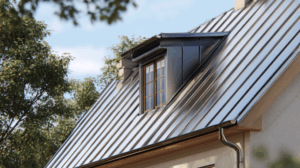
- Metal roofing: Copper, aluminum, and steel options available in corrugated, standing seam, and exposed fastener styles.
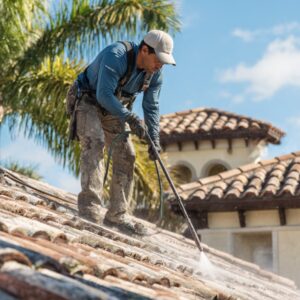
- Tile roofing: Clay and concrete tile are built for longevity and heat resistance.
- Residential flat roofing solutions for patios, additions, and low-slope structures.
Because we work with all major roofing systems in Southwest Florida, we understand the benefits and the challenges of mixing materials.
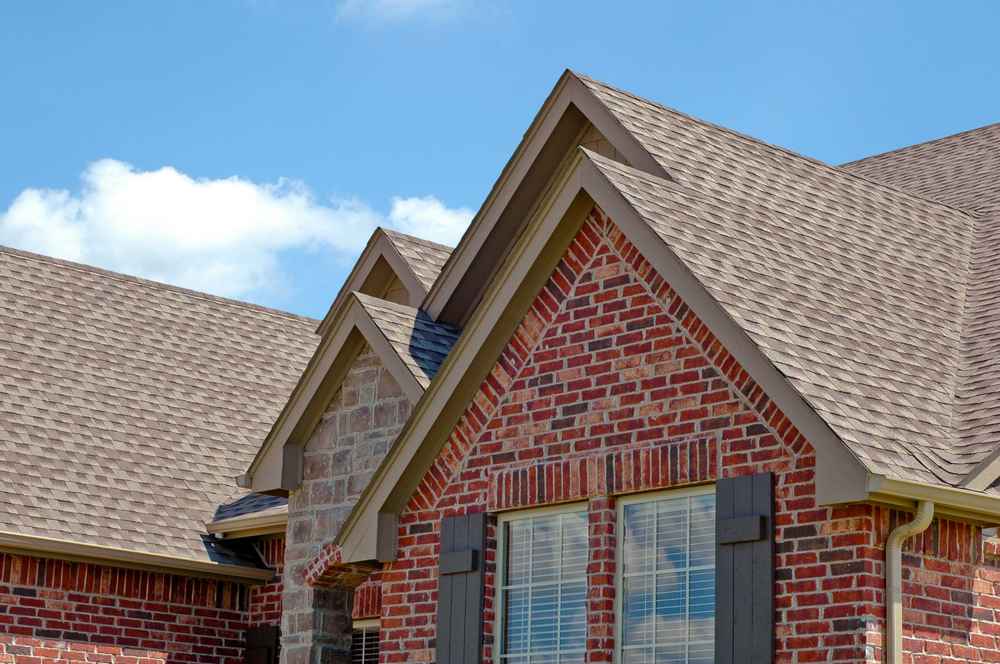
Pros of Mixing Roofing Materials
1. Architectural Appeal
One of the biggest advantages is curb appeal. Combining materials creates visual layers and depth, especially on homes with complex rooflines. Metal overhangs paired with tile, or an asphalt shingle main roof paired with metal details, can instantly modernize a home.
2. Material Matching for Function
Some materials simply perform better in specific conditions. For example:
- A metal accent roof over a bay window sheds rain faster and withstands heat well.
- Tile roofing excels on main slopes but may not be suitable for small or low-slope sections.
- Asphalt shingles can be affordable fillers for areas that don’t need premium material.
Mixing allows homeowners to maximize performance where it matters.
3. Budget Flexibility
Full tile or full metal roofing systems can be expensive. By mixing materials, homeowners can achieve a high-end aesthetic while controlling costs, for example, using tile on the front elevations and asphalt shingles on less-visible rear slopes.
4. Faster Repairs for Certain Sections
If one portion of the roof experiences more frequent wear (such as sun-exposed areas), using a more durable material there can reduce long-term maintenance.
Cons of Mixing Roofing Materials in Southwest Florida
1. Uneven Weather Performance
In a hurricane-prone region, consistent wind resistance matters. Different materials have different uplift ratings:
- Tile is heavy and wind-resistant, but must be properly installed.
- Metal has excellent hurricane performance.
- Architectural shingles are durable but may not match tile or metal in extreme conditions.
Mixing materials can create weak points if not engineered correctly.
2. Complicated Transitions
Where one roof material meets another, proper flashing and waterproofing are critical. Poorly blended systems can trap moisture, invite leaks, or create structural stress during storms. This means homeowners should only use a qualified, licensed roofer, like Bedrock Roofing, to design and install these transitions.
3. Maintenance Differences
Each roofing material ages differently:
- Tile can last decades with minimal changes.
- Metal weathers but rarely needs replacement panels.
- Asphalt shingles have a much shorter life and may require earlier replacement.
This can create mismatched timelines for repairs and replacements.
4. Insurance Considerations
Some insurance carriers in Florida prefer uniform roofing systems because it’s easier to rate them for wind and impact protection. Mixed-material roofs are allowed, but you may need documentation proving the installation meets Florida code and hurricane standards.

Is Mixing Roofing Materials Right for You?
Mixing roofing materials can work beautifully in Southwest Florida, but only when done intentionally, safely, and according to building codes. If your goal is to elevate your home’s style, improve performance in key areas, or control roofing costs, blending materials can be a smart move. But if your priority is uniform wind resistance, simplified maintenance, and long-term insurance clarity, sticking with one material may be the better choice.
The key is having a knowledgeable roofing partner guide you through your options.
Call the Local Experts You Can Trust
At Bedrock Roofing, we help Southwest Florida homeowners choose the right materials, whether that’s a full asphalt shingle replacement, a premium metal roofing system, a long-lasting tile roof, or a well-planned combination of materials. We offer free estimates, honest recommendations, and craftsmanship built to stand up to Florida’s harshest weather.
Thinking about mixing roofing materials on your home? Contact Bedrock Roofing today to schedule your free estimate and get expert guidance tailored to your home, your climate, and your budget.